Home
Home
If you’ve got your sights set on pursuing a career in film music composition, you probably already have a sense of the kind of music you want to make. The harder part is working out how that ambition turns into a real job.
There’s no single route into film music. Everyone working in the industry has taken a different path, but there are practical steps you can take early on that make breaking in more realistic. This guide breaks down how people actually get started, from building the right skills to studying and finding opportunities.
What Does a Film Composer Do?
A film composer writes original music for films and TV, using music to shape how audiences connect emotionally with a story. A strong score supports pacing, tension and mood, often influencing how a scene lands just as much as the visuals on screen.
The role is highly collaborative. Film composers work closely with directors and producers to understand what a scene needs, then refine the music as the edit develops.
There’s also a practical side to the job. Most film composers work freelance, juggling deadlines, budgets and multiple projects at once. Many build experience through short films and smaller projects before moving on to larger work as their portfolio and network grow.
Develop Musical Skills & Knowledge
If you want to work as a film composer, it’s not just about writing good music. You also need to understand how films work. Different genres, directing styles and storytelling approaches all shape how music supports emotion and narrative on screen.
A lot of this learning can happen independently. Watching films with a more critical ear, analysing how scores are used, and noticing how music shifts with dialogue and action are all useful habits to build early on.
Resources like books on film scoring, online courses and tutorials on platforms such as Coursera and Skillshare, as well as masterclasses from working composers, can all help develop technical knowledge and industry awareness. Organisations like the Society of Composers & Lyricists are also worth checking out for insights into industry trends and resources.
Most importantly, put your learning into practice. Start scoring short scenes and get used to working to picture. Many aspiring composers reach a point where they want more structure, feedback and collaboration, which is often where formal study comes in.
Get a Degree in Music Composition
You don’t need a specific degree to become a film composer, but many people choose to study music composition because it gives them the time, structure and access to regular feedback they need to progress.
A composition-focused degree helps strengthen skills like harmony, orchestration and the history of musical storytelling, all of which are essential when writing for film. It also gives you a deeper understanding of how instruments work together and how music creates emotional impact. Formal study usually includes training in music technology and DAWs too, which are central to modern film composition.
Studying music composition gives you space to focus and learn by doing. Through live briefs and practical projects, you can build on your portfolio while working closely with fellow creatives. Those connections, and the experience you gain alongside them, can make a real difference when looking for work later on.
Building a Solid Portfolio & Networking
If you want to start getting noticed as a film composer, your portfolio and your network matter just as much as your musical ability. Here are a few tips to get started:
Put together a focused demo reel
Your demo reel should be short and intentional. Show a range of styles where possible, but always in context. A few strong cues that work to picture are more effective than lots of tracks with no clear purpose.
Make your work easy to find
Hosting your music online makes it easier for people to discover and share your work. Platforms like SoundCloud and YouTube are all useful. If you can, a simple personal website with your best work and contact details also helps.
Challenge yourself
Film challenges such as the 48 Hour Film Project, and online film scoring competitions like Score Relief, provide opportunities to create work to a deadline while connecting with filmmakers and getting your name out there.
Build real relationships
Film festivals, composer talks and industry panels can be useful if you approach them with purpose. Focus on having a few genuine conversations rather than trying to meet everyone. Ask questions, listen, and follow up afterwards if there’s a real reason to stay in touch.
Starting Your Career & Finding Opportunities
Most film composers start small. Freelance platforms like Upwork and Fiverr often feature listings for short films, indie games and low-budget projects. These roles help you gain experience, work to briefs and build credits.
Another common route is assisting an established composer. While not essential, assistant roles can offer insight into larger productions and lead to opportunities in orchestration or additional projects.
Film composers are almost always freelance and are hired project by project, based on trust, reputation and previous work. The more experience and visibility you build, the easier it becomes to secure consistent work and progress towards bigger projects.
Breaking into film music composition isn’t about following a fixed path or waiting for a big break. Most composers build their way in by developing their skills in context, working to picture, and taking on projects that help them learn how the industry actually works.
What degree do you need for music composition?
There’s no single required degree, but many composers study music composition or a related subject like film scoring. A degree can help build core skills, a portfolio and industry connections, which makes getting started easier.
How long does it take to complete a music composition course?
Most undergraduate music composition degrees take three years to complete full time. During that time, students usually focus on developing skills, building a portfolio and gaining practical experience.
How much do music composers earn?
Earnings vary widely depending on experience, type of work and whether you’re freelance. Many composers start out on smaller projects and build up over time, with income increasing as their credits and network grow.
What musical skills are essential for film composition?
Strong composition skills are key, alongside an understanding of storytelling, timing and emotional control. Being able to work to picture, adapt to feedback and collaborate with others is just as important as musical technique.
Ready to Take the Next Step into Film Music?
If you’re serious about building a career in film composition, having the right environment and tools could make all the difference.
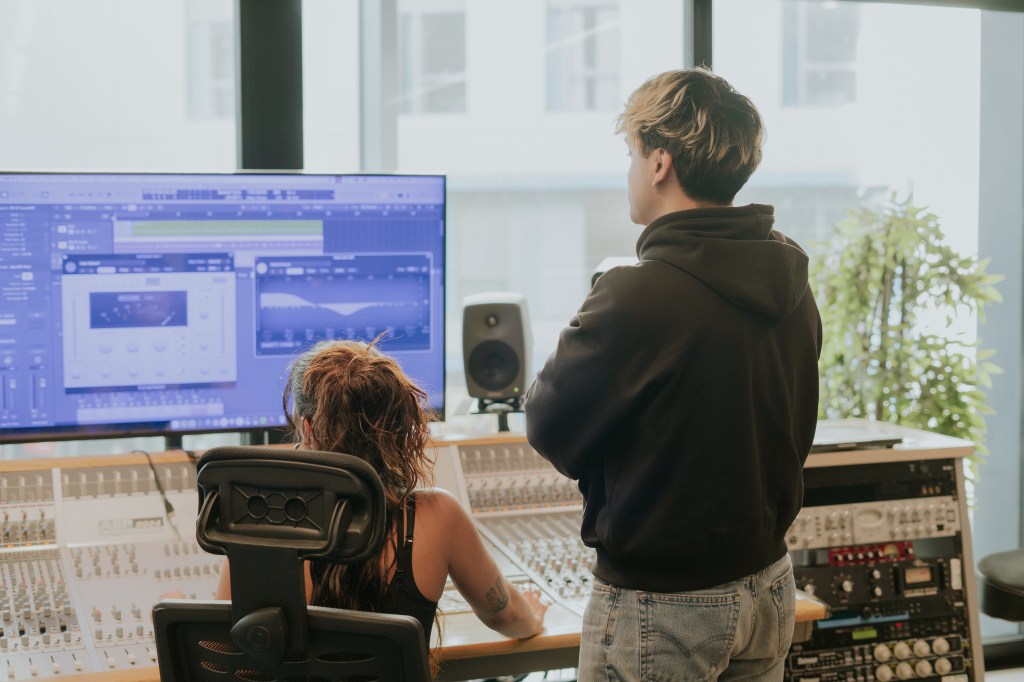
At LCCM, our BMus (Hons) Composition for Film, Games & Other Media is built around how composers actually work. You’ll write music to picture, collaborate with other creatives, and develop your skills using industry-standard tools and facilities. Alongside this, you’ll build a strong portfolio through practical projects, live briefs and real-world collaboration, helping you graduate ready to move into the industry.
Explore the BMus (Hons) Composition for Film, Games & Other Media course at LCCM.